2025.8.28
Why Delight Ventures Is Backing Anise Health to Improve Mental Health Care for Asian Communities
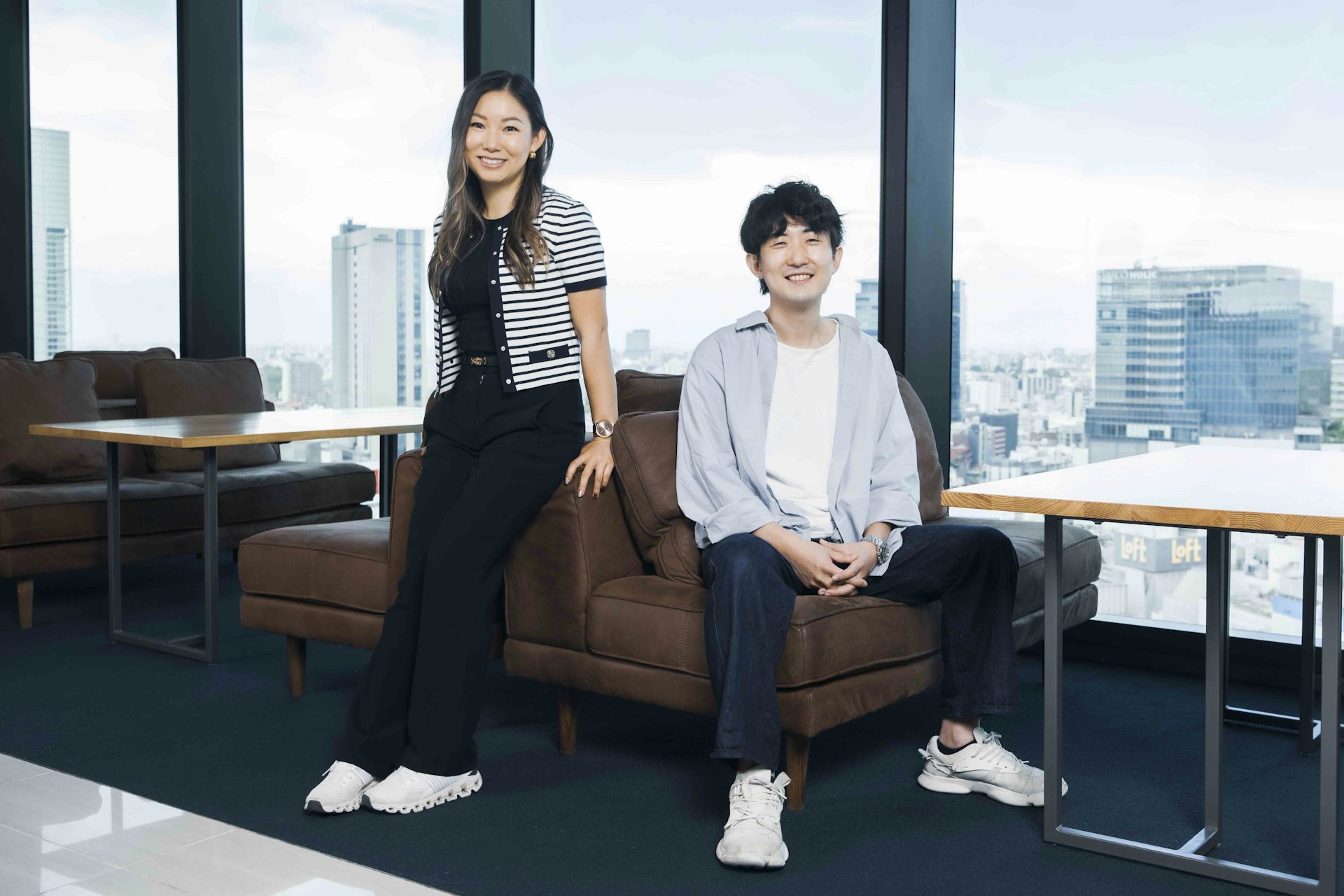
An Interview with Alice Zhang (Anise Health) & Naoya Shibahara (Delight Ventures)
In a crowded U.S. mental health market, Anise Health is building a moat by focusing on a massive, underserved demographic: Asian Americans. Its culturally-attuned online platform is designed to bridge the gap for a population often failed by one-size-fits-all therapy.
We sat down with Alice Zhang, Co-founder and CEO of Anise Health, who started the company from her own frustrating therapy experiences as an immigrant, and Naoya Shibahara, Principal at Delight Ventures, to discuss the market gap, challenges they faced, and their future outlook.
A Startup Forged from Cultural Pain Points
Alice Zhang (Alice): Anise Health is a digital mental health platform specifically designed for people of Asian descent.
We currently operate in five states—California, New York, Washington, Massachusetts, and Florida—which represent half of the U.S. Asian population. Insured users can access our services for an average out-of-pocket co-payment of $25 per session. We have a rigorous screening process for hiring our providers, and place a huge emphasis on providing care that is sensitive to the cultural background and language of our users.
The inspiration for Anise Health was my own life experience. I was born and raised in an immigrant family and I'm fluent in English, but when I sought counseling, I hit a wall. I found myself spending hours explaining my cultural background and values to my therapists who didn’t seem to fully understand them. Nisha Desai, my co-founder at Anise Health, shared similar frustrations from her own immigrant family experience.
After Nisha and I met at Harvard Business School, we realized this wasn't just our experiences. While building digital mental health products at different companies—me at a startup, her at a major insurer—we both saw data showing that minority clients had staggering dropout rates after just one session.
The feedback was consistent: "My therapist doesn't get the cultural stress," or "they keep giving me generic advice that doesn’t work for me." It resonated deeply with our own experiences. We realized the problem wasn't the patients; it was a system not built for them. That's why we founded Anise Health.
Naoya Shibahara (Naoya): When we first met, I immediately connected with Anise Health’s mission. I lived in the U.S. for a long time and could relate to that feeling of isolation as an Asian and bicultural individual. My view is that the U.S. mental health model is overwhelmingly built on a Eurocentric framework.
Alice: Exactly. The clinical gold standard in the U.S. is based on research from white populations. If a minority individual, who has experienced the pressures and discrimination of that context, is told in CBT (Cognitive Behavioral Therapy) to "change your mindset to feel better," it can feel incredibly invalidating.
For example, in many Asian families, you might score a 98 on a test and be asked, "Why didn't you get 100?" Growing up in that cultural background often leads to harsh self-criticism. Telling that person to "be kinder to yourself" alone is unhelpful if you don't address the internalized cultural pressure.
Driven by these types of insights, we built Anise Health from the ground up with clinical experts. We've developed our proprietary care model in partnership with researchers and clinicians from institutions like UC Berkeley and Stanford University. I believe these experts joined us because they recognize the social significance and the clinical rigor of our approach.
Fundraising in a Downturn: The "PE vs. VC" Mindset
Alice: Building Anise Health hasn't always been smooth sailing. Fundraising was incredibly tough in the beginning. We launched in early 2022, right as the VC market started to turn. The mental health sector had been overheating in 2020-2021, and we felt the whiplash from that peak.
Initially, Harvard had taught us to have strong conviction, which led us to become reluctant to accept investor feedback. Going through the fundraising process made us realize that VCs were also an integral part of the ecosystem and we needed to better understand what they value and how they make decisions.
Because of my background in private equity (PE) I had initially prepared a fairly conservative, detailed business plan projecting EBITDA at the seed stage. One experienced VC told me, "this is the most detailed startup financial projection I've ever seen"—and it wasn't a compliment.
VC is a game of 10x or 100x returns, driven by a portfolio model that prices in a high failure rate. A PE mindset of targeting "3-5x returns with positive cash flow" doesn't work. Once I understood that, I refined our pitch and model to tell the story of venture-scale growth.
Naoya: By the time we first met, they had already made that adjustment. The co-founders’ grasp of the market challenges and investor concerns was crystal clear. The data was all there. I remember being very impressed.
Alice: Once we started focusing on the VC decision-making process, we began to see traction in our fundraising.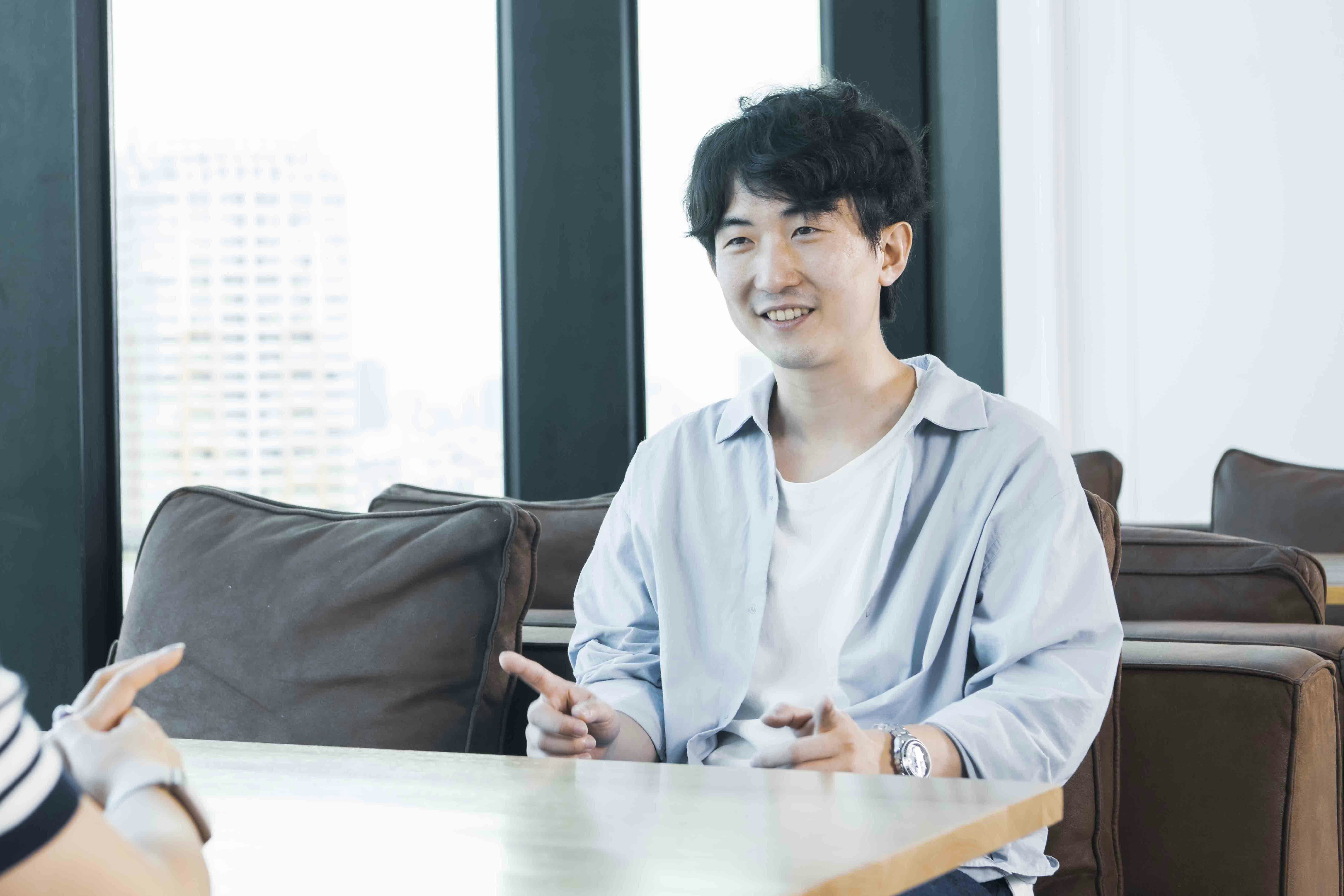
Why Delight Ventures? A Partnership Forged in Japan
Alice: We were introduced to Delight Ventures during our seed round. Our first meeting was actually in person in Tokyo, which was fitting. Japan is a second home to me; I lived there for about 12 years and launched my career there. The investment from Delight Ventures felt less like just another capital injection and more like a full circle moment partnering with a VC that shared our mission.
Naoya: I was impressed by the preparation, but what really stood out was Anise Health’s user retention.
The mental health market is crowded, and most players offer a standardized, commoditized product which is hard to differentiate on quality. It's a leaky bucket: patients are in real pain, and if a service doesn't work, they churn. Competitors just end up splitting a revolving door of users.
Anise Health built a new model by specializing, and they are competing on quality and outcomes. The resulting high retention and strong unit economics signaled to me this was a winning model. It might look niche, but it's a massive market, and the strategy to win this segment decisively was compelling.
Alice: I felt immediately that Naoya was someone we could build with. He deeply understands the healthcare space, and his questions always cut to the core. I especially appreciated that he was transparent about the investment process from day one. When I checked the Delight Ventures website, I saw a team that empowers its members to move fast and take ownership. I sensed a culture similar to my previous workplace, a PE fund, and it felt like a great fit.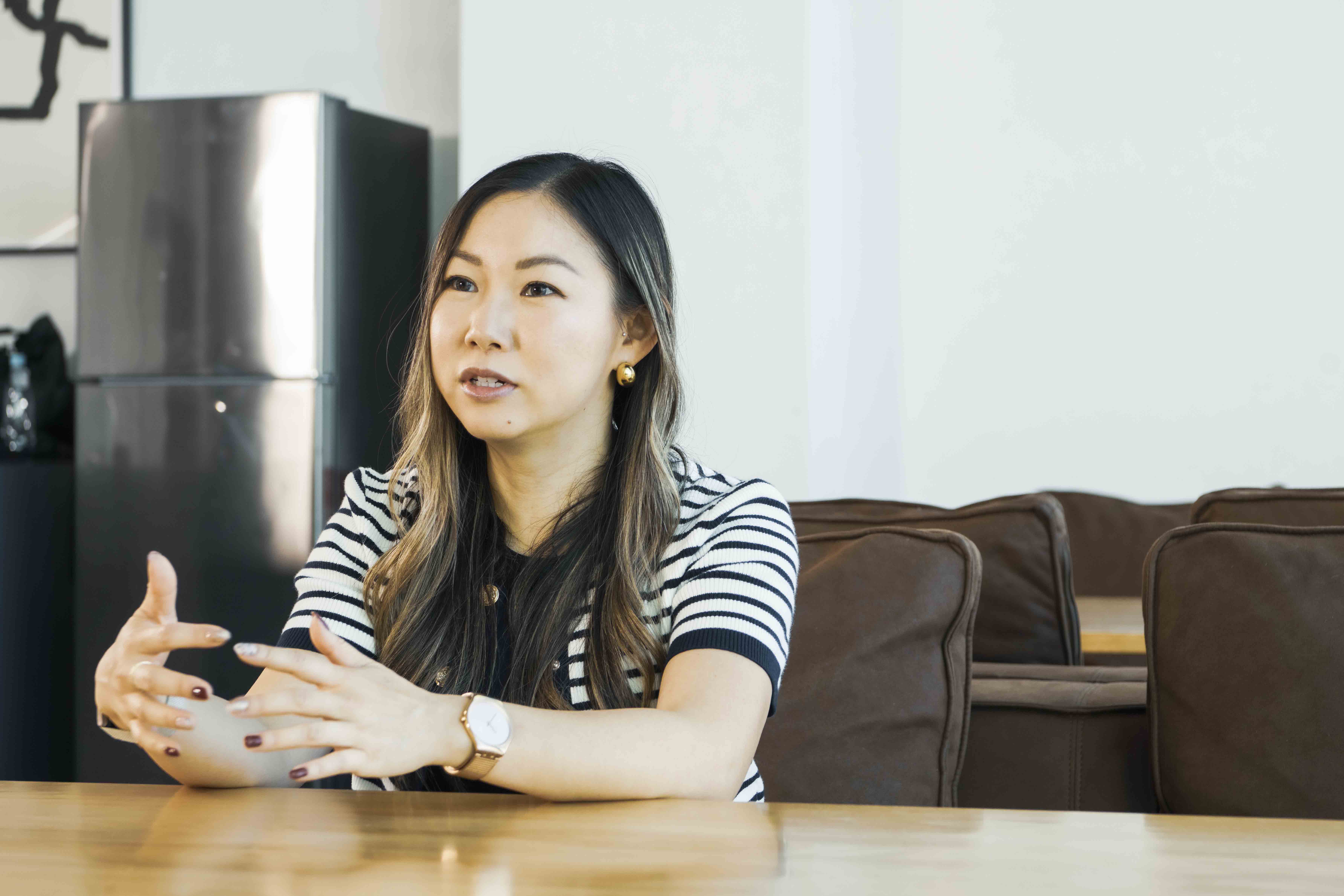
More Than a Check: The Value of a True Partner
Alice: Since the investment, Delight Ventures has been a huge support, not just financially but strategically and mentally. Knowing you have investors who genuinely believe in your vision is very reassuring. They feel less like investors and more like teammates who are in the trenches with us.
For example, they've shared expertise and resources on AI, and conversations with Delight Venture Managing Partners Namba-san and Asako-san have been invaluable. Naoya even traveled to a pitch event to support us.
Naoya: And we're excited to deepen our support, including expanding their application of AI. What's unique is that Anise Health isn't just using AI for back-office efficiency; they're building it as a clinical co-pilot to augment therapists in real-time. As AI evolves, we look forward to helping Anise evolve the platform.
What’s Next: From Niche to Global
Alice: We hope to eventually be the leading global mental health provider for Asians. Mental health is a critical topic everywhere, but in many Asian countries, the stigma and access hurdles are still high. I hope to apply what we've learned in the U.S. and deliver it in a way that is tailored to local cultures.
In the near-term, we're expanding our coverage in the U.S., enhancing our self-learning resources and preparing to launch additional services, such as medication management or couples therapy.
Naoya: I truly believe the world needs more startups like Anise Health, built from founders’ lived experiences to solve a deep, systemic problem. We plan to continue partnering with Anise as their biggest fans.
Alice: Thank you. This venture began from unacknowledged pain, but today, we're building the future with amazing partners. We want to make culturally-attuned mental health care a standard, accessible option for everyone.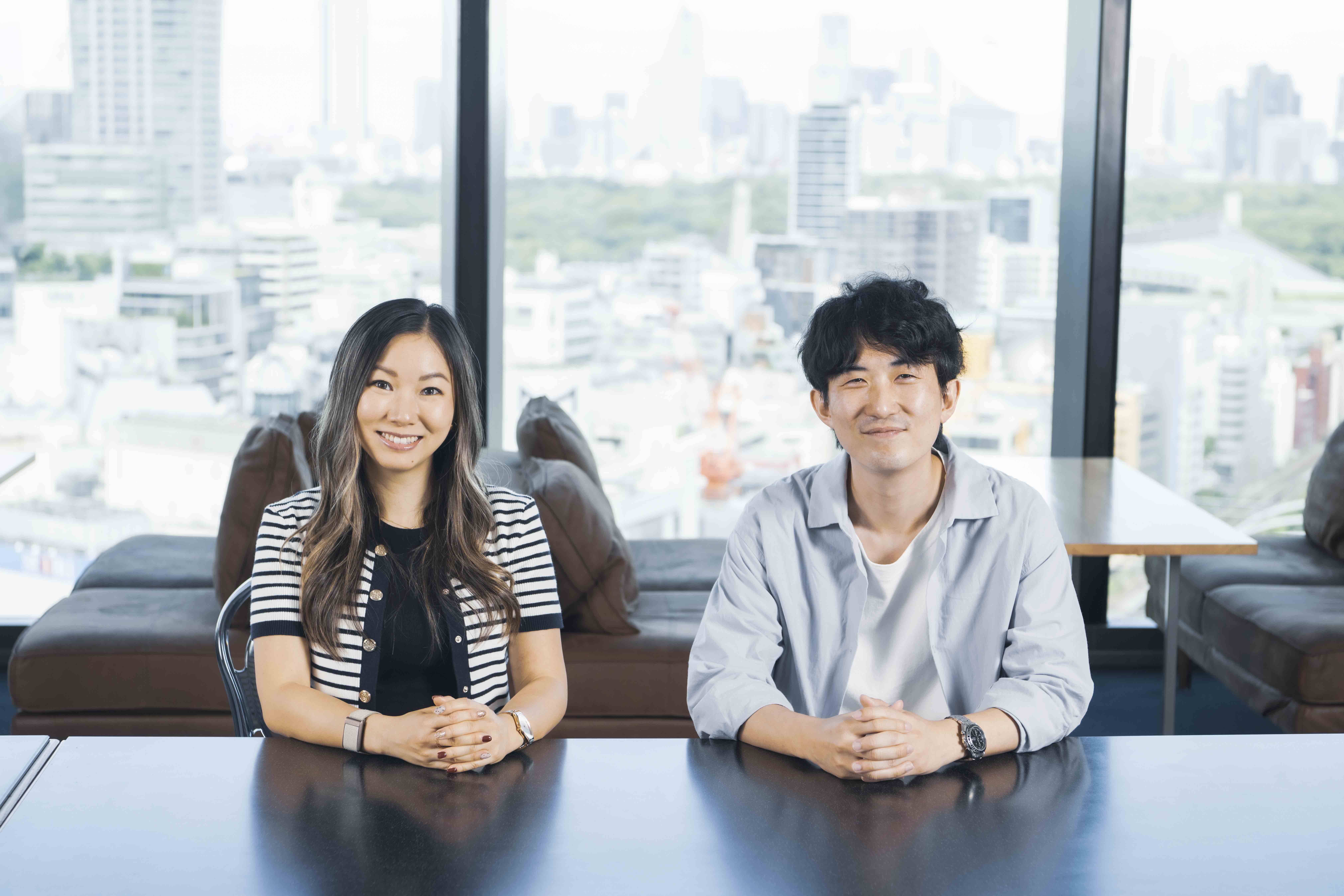
Profile:
●Alice Zhang, Co-Founder & CEO, Anise Health
Alice is a 1.5 generation Chinese-Canadian. Motivated by personal experience, she is passionate about addressing the inequality and lack of cultural relevance in mental health interventions. Prior to Anise, Alice worked across various roles in healthcare including product development at Galileo, an early-stage digital health startup, as a private equity investor at Unison Capital, and as a management consultant at L.E.K. Consulting. Alice holds an MBA from Harvard Business School and a B.S. in neuroscience from the University of British Columbia. Alice is also a certified health and wellbeing coach.
https://www.anisehealth.co/
●Naoya Shibahara, Principal, Delight Ventures
After earning a Master's degree from the Graduate School of Agricultural and Life Sciences at the University of Tokyo in 2017, he joined Deloitte Touche Tohmatsu Consulting. He was involved in a diverse range of projects, including strategy formulation, Business Process Reengineering (BPR), and system implementation. In 2020, he joined Accenture. In the Strategy Consulting division, he was responsible for business strategy, due diligence for deep tech companies, and business valuation from an ESG perspective. He joined Delight Ventures in 2023. Focusing on the theme of balancing economic and social value, he executes investments across a wide range of fields, from deep tech businesses like cell therapy and synthetic biology to IT services tackling mental health, decarbonization, and regional revitalization.